
Advertisement

The Sleep Habit That Matters More Than Getting 8 Hours a Night, According to Longevity Experts

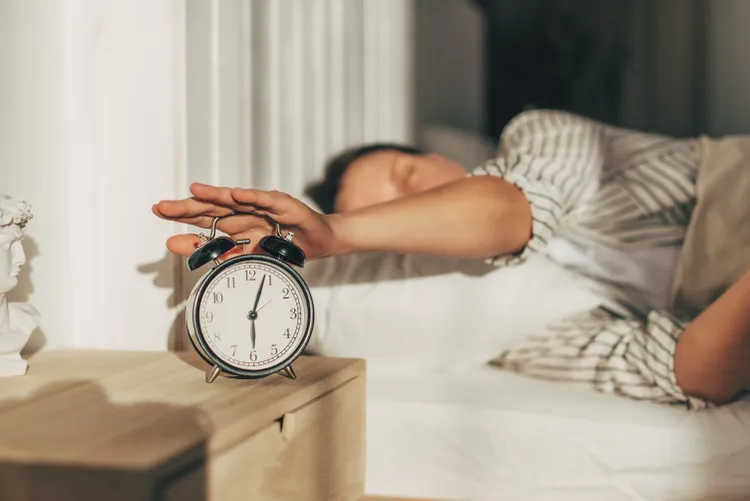
For as long as I can remember, eight hours of sleep has been held up as the gold standard. As a teenager, I took that advice seriously, happily sleeping eight hours and then some whenever I could. But adulthood has a funny way of messing with even the best intentions. Between work deadlines, social plans, early morning workouts, and the occasional Netflix binge that somehow turns into a 2 a.m. bedtime, my sleep schedule has become more of a suggestion than a routine. My approach? Get four or five hours during the week, then make up for it by sleeping in on the weekends. Surely, it all evens out in the end, right?
1.jpg

Well, not exactly. While getting enough sleep is undeniably important, I recently learned that when you sleep and how consistently you stick to a schedule may matter more than duration. Our bodies rely on an internal clock, known as our circadian rhythm, that helps regulate everything from sleepiness and alertness to other essential bodily functions. When bedtime and wake-up time swing wildly from one day to the next, that internal clock can get thrown off, even if you manage to squeeze in enough total hours over the course of the week. In other words, my weekend sleep-ins might help me feel a little more human after a hectic week, but they aren't necessarily making up for an inconsistent routine.

And when it comes to long-term health, that distinction could be more important than we once realised. Sleep researchers are increasingly examining how regular sleep patterns relate to overall health and longevity, alongside the familiar recommendation to get enough hours each night. So, if you're someone who treats your weekday bedtime as a moving target, read on for why sleep consistency may matter more than you think, how it could affect your long-term health, and expert-approved ways to build a sleep routine that works with your actual life.

What does a consistent sleep schedule look like?

If your sleep routine currently consists of going to bed whenever you finally finish answering emails or scrolling TikTok until your eyes physically refuse to stay open, you're not alone. But a consistent sleep schedule doesn't mean following a rigid bedtime down to the minute. According to Justin Hai, co-founder and CEO of Rebalance Health and the author of STRESS NATION, the goal is to go to bed and wake up at roughly the same times each day, as your schedule allows, while still getting enough rest. Our bodies thrive on predictability, he explains, because our internal biological clocks help coordinate everything from hormone production to metabolism and cellular repair. That means consistency is about establishing a rhythm your body can rely on, not hitting an exact bedtime every single night.

Ideally, most adults should aim for seven to nine hours of sleep each night while keeping their sleep and wake times relatively steady, including on weekends. If you occasionally stay up late for dinner with friends or a particularly good Netflix binge, there's no need to panic or abandon your routine altogether. Hai emphasises that the goal isn't perfection, and you shouldn't sacrifice adequate rest just to maintain a rigid schedule. Instead, focus on creating a routine that feels sustainable in real life, not one that falls apart the second you have evening plans.

Why consistent sleep matters more than duration

We've become pretty obsessed with counting our hours of sleep, whether we're checking our smartwatch first thing in the morning or celebrating a particularly impressive sleep score. But Hai says we often overlook something equally important: when we sleep. In fact, he points to recent research that found sleep regularity was a stronger predictor of mortality risk than sleep duration alone. That doesn't mean you can suddenly get away with five hours a night just because you go to bed at the same time every evening. As Hai clarifies, consistency deserves a seat at the table alongside duration and quality. In other words, getting enough sleep still matters, but so does giving your body a predictable schedule for getting it.

The reason comes down to your circadian rhythm. As Hai explains, our circadian rhythm helps determine when we feel alert, when we become sleepy, when hormones are released, and how efficiently our bodies process energy. When bedtime and wake-up times constantly shift, we can create a kind of internal misalignment known as social jet lag, where our schedules and biological clocks aren't in sync. Cortisol naturally rises toward morning to help us wake up, while melatonin signals that it's time to prepare for sleep. Irregular schedules can disrupt the timing of those signals. Over time, irregular sleep has been associated with increased cardiovascular and metabolic health risks, including issues with blood pressure and glucose regulation. Sleep isn't simply downtime, Hai says. It's when an extraordinary amount of biological housekeeping takes place. And unfortunately, sleeping in on Saturday can't necessarily undo every late night from the week before.

Realistic ways to build a more consistent sleep routine

Start with your wake-up time. If choosing a consistent bedtime feels impossible with your schedule, Hai recommends establishing a reasonably consistent wake-up time whenever your schedule permits. Getting daylight in the morning can also help synchronise your biological clock, making it easier for your body to recognise when it's time to feel alert and when to wind down later. You don't have to become someone who wakes up at 5 a.m. to make this work. Start with a wake-up time that fits your actual life and build from there.

Give yourself a wind-down window. Rather than going straight from answering work emails to expecting your brain to fall asleep on command, try creating a simple 30-minute bedtime routine. Dimming the lights, putting your phone away, and giving your brain time to transition out of the constant stimulation of the day is one effective way to wind down, Hai says. That might mean reading a few chapters, taking a warm shower, or listening to music instead of scrolling through videos. Your inbox will survive without you for another eight hours, Hai says.

Pay attention to caffeine and screens. Your late-afternoon coffee or nightly phone habit might be interfering with your sleep more than you realise. Hai recommends being mindful of caffeine and late-night screen exposure, since both can disrupt sleep even when you don't immediately notice the effects. You don't necessarily need to ban your favourite evening activities, but experimenting with an earlier caffeine cutoff and putting your phone away before bed can help you figure out what works for you.

Don't stress about consistency too much. Here's your reminder that a sleep routine shouldn't become another wellness rule to stress over. If a late night means choosing between getting enough rest and waking up at your usual time no matter what, Hai advises prioritising sufficient sleep and returning to your regular routine when you can. Ultimately, the most sustainable approach isn't some elaborate sleep optimisation programme requiring twelve gadgets, three subscriptions, and a spreadsheet. It's a handful of simple habits practised consistently, he says. And honestly, that's a sleep goal I can get behind.

The bottom line

Getting enough sleep matters, but so does when you sleep. A consistent sleep schedule helps keep your circadian rhythm in sync, which in turn supports hormone regulation, metabolism, cardiovascular health and more. You don't need a perfect routine to benefit. Start with a steady wake-up time, build a simple wind-down window, watch your caffeine and screen habits, and prioritise rest over rigidity. Small, sustainable habits practised consistently are the real key to better sleep and long-term health.

look ad Watch the ad Unlock More

Advertisement

Trending
World Oral Health Day: The Surprising Connection Between Gum Disease and Heart Health
March 20 marks World Oral Health Day - the perfect opportunity to explore how your dental hygiene impacts far more than just your smile. Emerging research reveals startling connections between oral health and overall wellbeing that might surprise you.
Rise of Unqualified Online "Counsellors" Sparks Mental Health Concerns in Singapore
Mental health professionals in Singapore are raising alarms over the growing trend of untrained individuals offering counselling services on digital platforms. Experts warn this phenomenon poses serious risks, including potential misdiagnosis, harmful advice, and violations of client confidentiality.
FDA Experts Unanimously Back JN.1-Targeted COVID Vaccines for 2026-2026 Season
In a decisive move to stay ahead of the evolving pandemic, US Food and Drug Administration (FDA) advisory panel members voted unanimously on Thursday (May 22) to recommend next-generation COVID-19 vaccines specifically designed to combat emerging JN.1 variant strains for the 2026-2026 immunization campaign.

Advertisement

Scientists Discover Bat Virus with Similar Traits to Covid-19, But Risk of Human Spread Remains Low
Chinese researchers have identified a bat coronavirus that shares a key trait with the virus behind Covid-19—it uses the same ACE2 receptor to invade human cells. While this raises concerns about potential future transmission, experts caution against alarm, as the virus currently shows limited ability to infect humans.
South Africa's HIV Vaccine Breakthrough Stalled as US Funding Freeze Halts Critical Research
JOHANNESBURG — In a high-tech Johannesburg laboratory, Nozipho Mlotshwa and her team were on the verge of a potential breakthrough in the decades-long quest for an HIV vaccine. Their latest formulation had just triggered promising immune responses in animal trials when an abrupt order from Washington froze all progress.
Fluoride in Singapore: Should You Be Concerned About Its Effects?
A recent US study published in January has reignited debates about fluoride usage, particularly in water, after suggesting a possible link between higher fluoride exposure and lower IQ scores in children. The findings, featured in the Journal of the American Medical Association Pediatrics, have drawn criticism from some scientists who question the study's methodology while reaffirming fluoride's well-documented dental benefits.
Father-Daughter Duo's Inspiring Health Transformation: How Small Steps Led to Big Changes
Starting a healthier lifestyle often feels overwhelming, but as one father-daughter team discovered, the journey becomes much easier with the right support system and simple first steps. Their heartwarming story proves that positive change is within everyone's reach.
WHO Nears Historic Pandemic Treaty Deal After Marathon Negotiations
GENEVA - After three years of intense negotiations, member states of the World Health Organization (WHO) are on the verge of finalizing a groundbreaking treaty to strengthen global pandemic preparedness, according to sources close to the talks. The discussions, which continued through Friday night into Saturday morning (April 12), have been temporarily paused until Tuesday as officials work to resolve remaining sticking points.
MaNaDr Strengthens Teleconsultation Protocols After Licence Revocation
Following criticism over excessively brief teleconsultations, telehealth provider MaNaDr has announced stricter measures to enhance service quality and rebuild patient trust.

Advertisement

Healthy Ramadan & Hari Raya: Expert Tips to Stay Energized and Avoid Overindulgence
Fasting from sunrise to sunset during Ramadan can test one's endurance, making it crucial to maintain energy levels while resisting the temptation of overeating. As the holy month transitions into the joyous celebrations of Hari Raya Puasa (Aidilfitri), balancing festive feasts with mindful eating becomes essential for well-being.
South Korea Reports First Foot-and-Mouth Disease Outbreak in Cattle Farm After Nearly Two Years
SEOUL — South Korea's agriculture ministry announced on Friday (March 14) that a confirmed case of foot-and-mouth disease has been detected in a cattle farm, marking the country's first outbreak in nearly two years.
Singapore's Obesity Crisis: Why It's Rising and How to Fight Back
Singapore is facing a growing health challenge – obesity rates are climbing at an alarming rate, with serious implications for public health.
Beyond Baby Blues: The Hidden Struggles of Postpartum Depression and Workplace Challenges
The journey of motherhood is often painted with images of radiant joy and unconditional love. Yet for many women, this transformative chapter comes with unexpected emotional turbulence that goes far deeper than temporary "baby blues."
7 Budget-Friendly Dental Clinics in Singapore for Quality Care Without Breaking the Bank
We all know the golden rule: visit the dentist every six months for a checkup. But let's be honest—finding an affordable dentist in Singapore can feel like searching for a needle in a haystack. The good news? You don't always need to stick rigidly to that six-month schedule. If you're diligent about oral hygiene, stretching visits to once every 18 months or even two years is possible. Still, regular checkups are crucial to catch issues like cavities early before they turn into costly problems.
Global Air Quality Crisis: Only 7 Nations Meet WHO Standards as US Monitoring Cuts Loom
SINGAPORE — In a startling revelation about the state of our planet's air, just seven countries worldwide met the World Health Organisation's (WHO) stringent air quality benchmarks last year. This alarming data comes as environmental researchers sound the alarm about worsening pollution tracking capabilities following the shutdown of crucial US-led global monitoring initiatives.
Polio Eradication at Risk as US Funding Cuts Threaten Global Health Efforts
LONDON — The global fight to eliminate polio faces significant setbacks due to drastic funding cuts from the United States, which could delay eradication efforts and leave more children vulnerable to paralysis, warns a top World Health Organization (WHO) official.
WHO Sounds Alarm: Europe's Shocking Lack of Awareness on Alcohol-Cancer Link
GENEVA — The World Health Organisation (WHO) has uncovered startling new data revealing a dangerous gap in public knowledge across Europe regarding alcohol's direct connection to cancer. In a bold move, the health authority is urging governments to implement mandatory tobacco-style warning labels on alcoholic beverages—particularly in the world’s heaviest-drinking region.
Taiwanese Star Barbie Hsu's Tragic Death at 48: How the Flu Turned Fatal
The entertainment world was left reeling this Monday (Feb 3) with the shocking news of Taiwanese actress-host Barbie Hsu's sudden passing. At just 48 years old, the beloved celebrity and mother of two succumbed to a severe case of pneumonia - an inflammation of lung tissue that reportedly developed from complications following influenza contracted during a recent holiday in Japan.
Wildfire Smoke Linked to Higher Death Risk in Lung Cancer Patients, Study Reveals
A groundbreaking California study presented at a major medical conference on May 31 suggests that wildfire smoke could significantly increase mortality risks for lung cancer patients, with non-smokers being particularly vulnerable. However, certain cancer treatments might help counteract these effects.
Breaking the Silence: Singapore Women's Struggle with Undiagnosed Sexual Health Issues
SINGAPORE – When 30-year-old Aisyah (name changed for privacy) found herself unable to consummate her marriage in 2022, she and her husband immediately recognized this wasn't just newlywed jitters.